
Product Overview
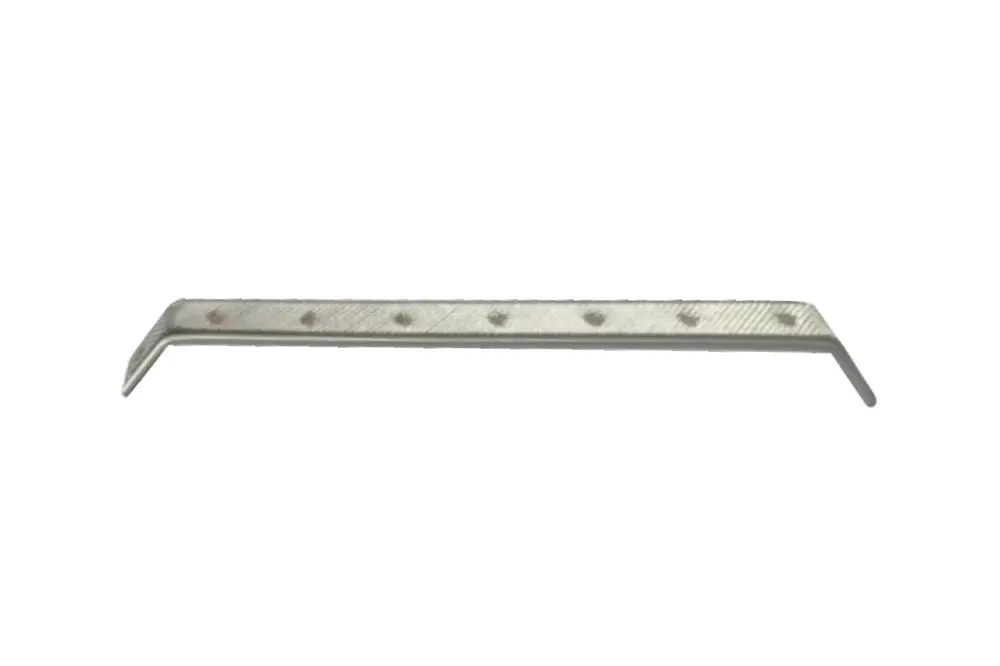
Wear resistant mesh inserts protect turbine and duct parts from heavy wear and erosion. They take the impact in tough environments and keep other components safe. As a result, they extend service life and lower repair costs.
Materials and Construction
Manufacturers usually make these inserts from stainless steel, nickel alloys, or sintered metal mesh. Sometimes, they add carbide particles to increase hardness. The open mesh spreads stress evenly and resists both heat and abrasion. With the right materials, the inserts stay strong under constant load.
Manufacturing Process
The mesh insert is formed by weaving or sintering wires, followed by shaping to fit exact dimensions. After that, treatments such as heat hardening or surface coating improve corrosion and fatigue resistance. These steps create inserts that last longer in harsh systems.
Applications and Benefits
You can find wear resistant mesh inserts in turbines, combustion chambers, and exhaust ducts. They reduce erosion, protect flow paths, and support sealing efficiency. Because they carry most of the wear, they reduce downtime and make maintenance easier.
Maintenance Practices
Operators should inspect mesh inserts often for cracks or distortion. Once worn, they can replace the insert without removing large parts. This quick replacement helps keep machines reliable and reduces long-term costs.
Reviews
There are no reviews yet.