
 Combustion Chamber
Blaze Turbine / Custom Manufacturing
Sheet Metal Parts
Blaze Turbine manufactures custom sheet metal components for industrial equipment based on customer drawings or samples.
Drawing-based ManufacturingCombustion & Sealing ComponentsReverse Engineering Support
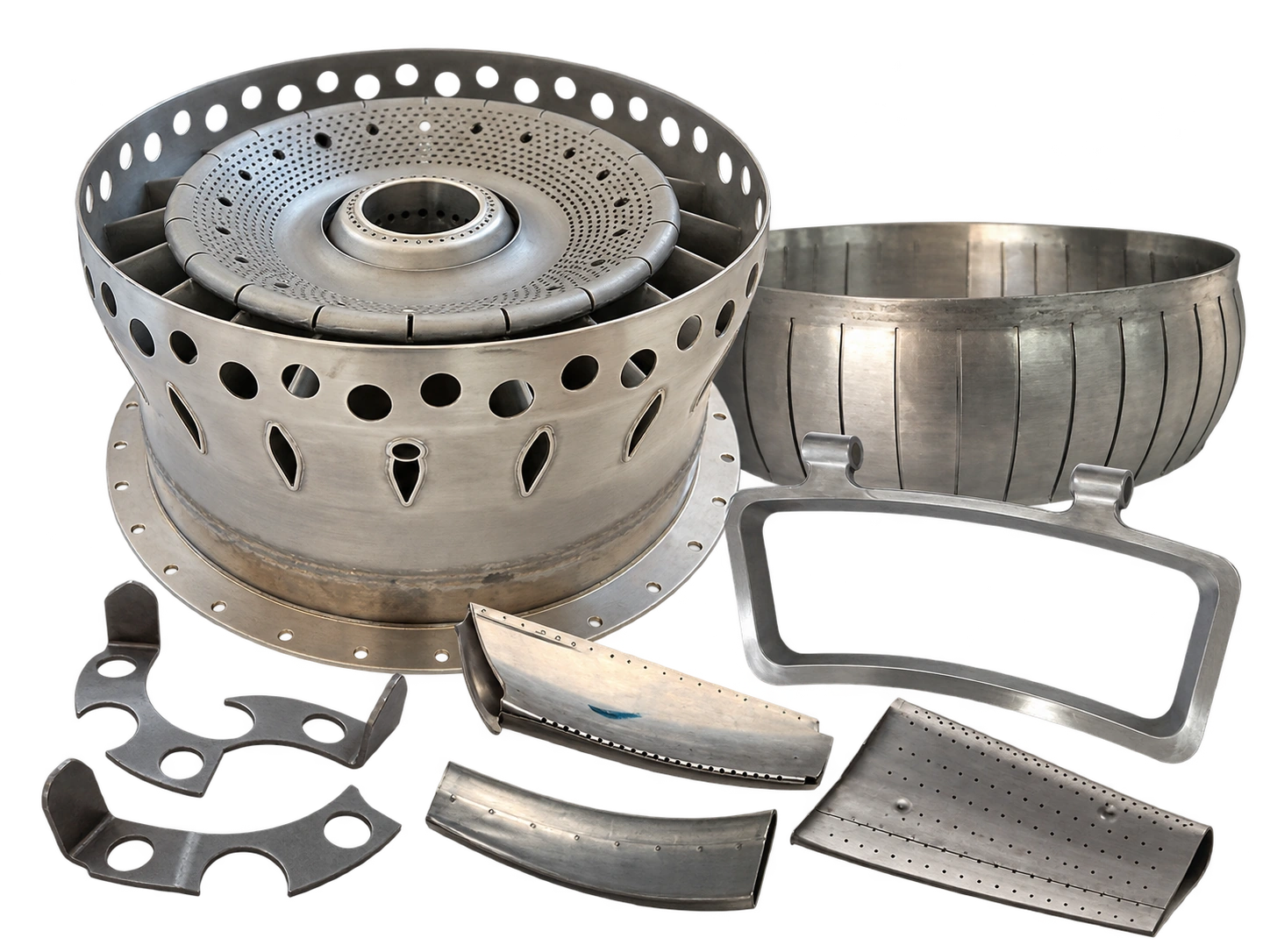
Product overview
Sheet metal components for industrial equipment
The examples below include combustion components, sealing parts, lock plates and airflow guide vanes. Fabrication processes include stamping, bending, laser cutting, welding and assembly. Share your material, geometry and inspection requirements to discuss a quotation.
These sheet metal examples show component forms and fabrication applications. Your drawing or sample, material specification and assembly interfaces define the requirements for a manufacturing quotation.
Manufacturing Support
Drawing-based Manufacturing
Provide a controlled drawing and revision so Blaze can review geometry, material, joining methods and acceptance criteria before manufacture.
Reverse Engineering
When drawings are unavailable, submit a physical sample and explain the application. Agree on dimensions and material requirements before production.
Material & Geometry Review
Identify the required material grade, surface condition and interface dimensions. Specifications are confirmed for the individual component.
Inspection Requirements
Include the inspection plan and documentation needed for your order. Confirm dimensional checks and material records during the quotation review.
Sheet Metal Manufacturing Examples
These sheet metal examples show component forms and fabrication applications. Your drawing or sample, material specification and assembly interfaces define the requirements for a manufacturing quotation.
46 examples
Combustion Chamber 5B Frame Tube
 Flame Tube
 Cap Middle Cooling Assembly
 Elastomeric Sealing Ring
 C Sealing Ring
 Transition Duct Mounting Frame
 Transition Duct Side Seal
 Lock Plate
 Lock Plate
 Flame Tube Insert
 Flame Tube Slug
 9FA Frame Tube
 9E Frame Tube
 Combustion Chamber
 Combustion Chamber
 Combustion Chamber
 Combustion Chamber
 Sheet Metal Honeycomb Seal Fittings
 Sheet Metal Honeycomb Seal Fittings
 Outer Sleeve
 Cross-fire Tube Socket
 Cross-fire Tube Socket
 Flame Tube Middle Rear Section
 Flame Tube Middle Rear Section
 Rear End Bushing Assembly
 Flame Tube Rear Skin Liner
 Flame Tube Rear Section Brazing
 Flame Tube Stop Block Insert
 Nozzle Flame Combustion Tube
 Combustion Chamber Top Cover
 Cap Intermediate Assembly
 Cap Inner Support Assembly
 Cap Middle Stack Assembly
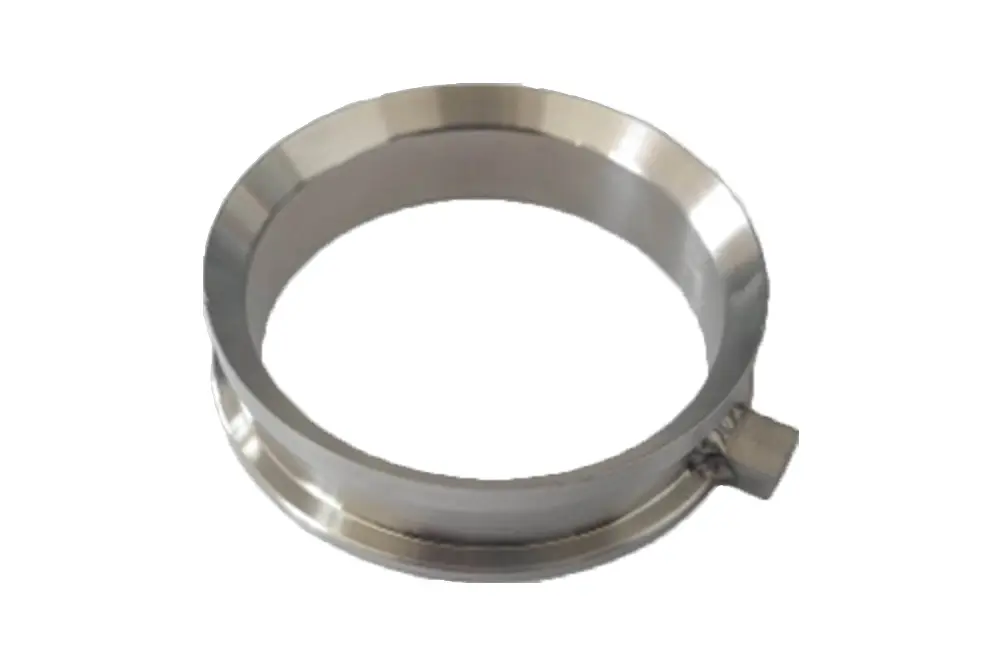 Cap Seal Assembly
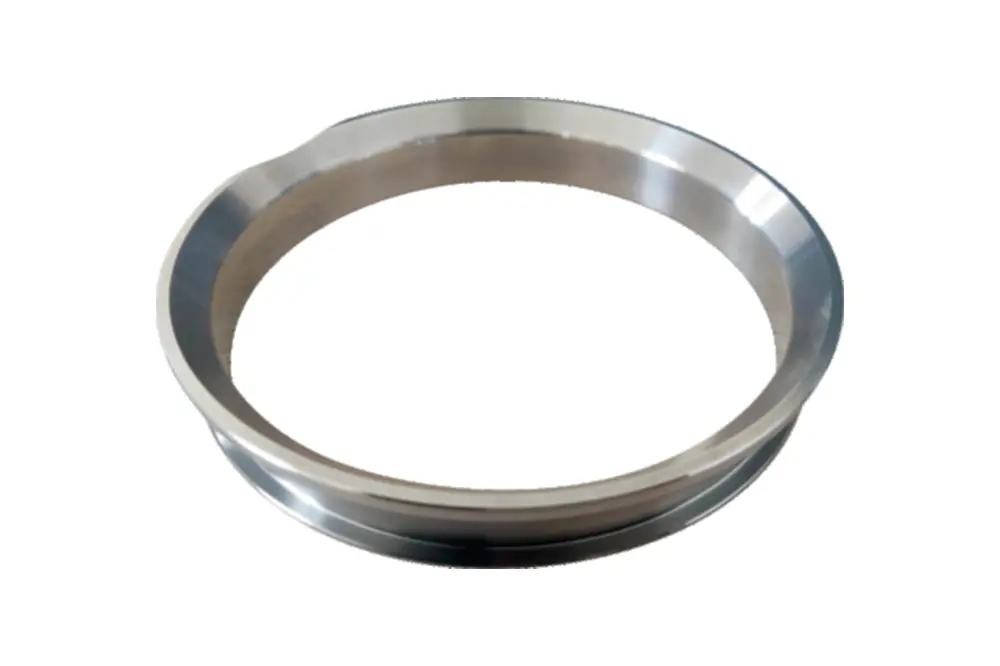 Cap Floating Ring
 Venturi Tube
 Elastomeric Sealing Ring With HVOF
 7HA Elastomeric Sealing Ring
 9HA Elastomeric Sealing Ring
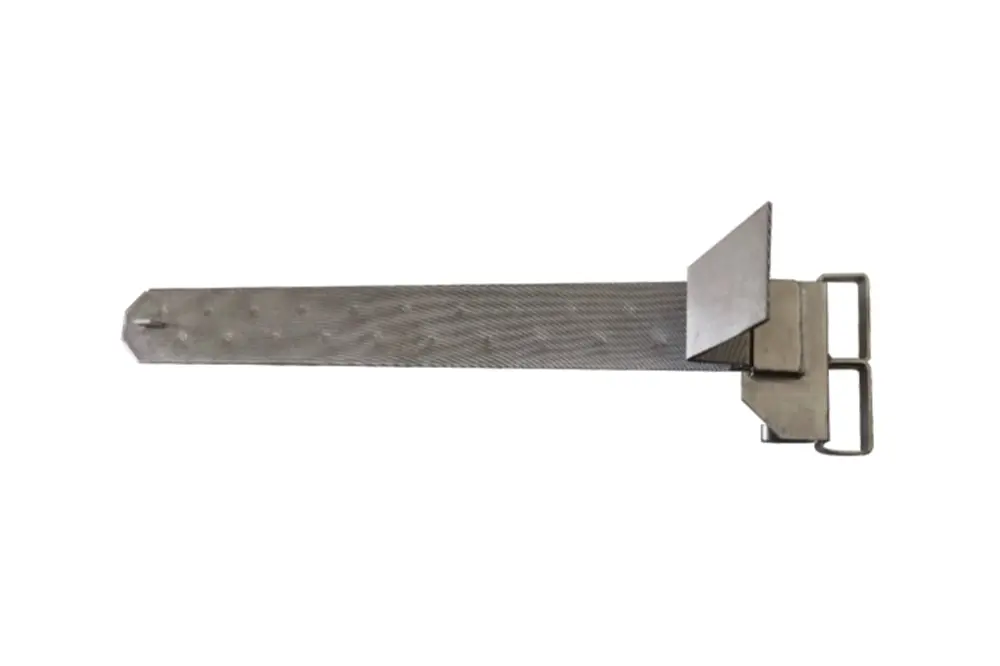 Mesh Floating Seal
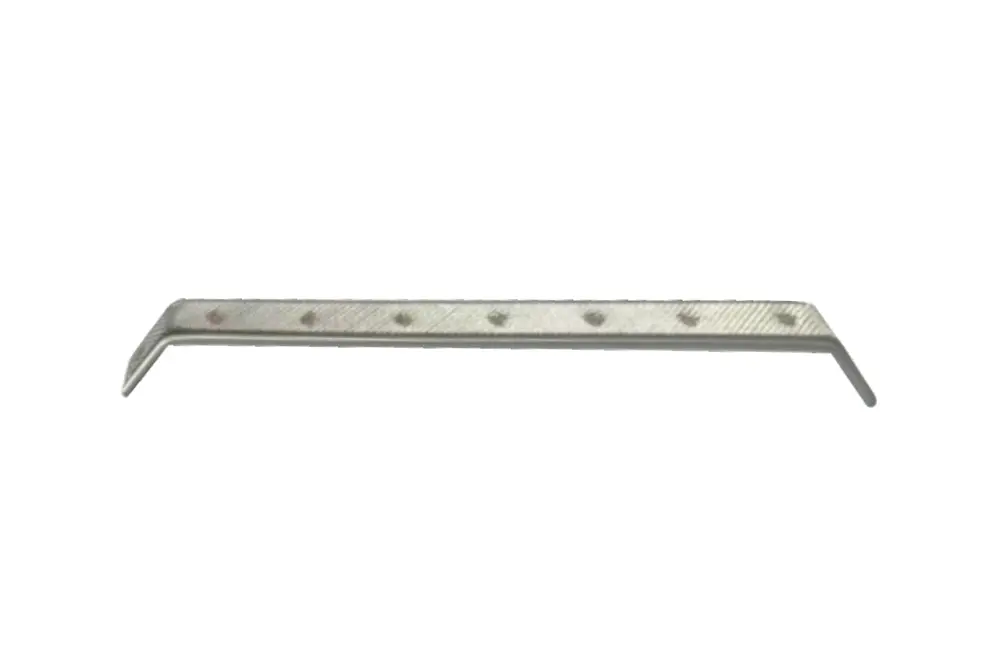 Wear Resistant Mesh Insert
 Lock Plate
 Lock Plate
 Ring Sheet Metal Seal
 Airflow Guide Vane
What should you specify for a sheet metal component?
Specify the material grade, sheet thickness, finished dimensions and assembly interfaces for each sheet metal part. Bends, openings and welded joints can affect how the component fits and performs. Include the operating environment so the manufacturing review considers heat exposure, corrosion and the required surface condition.
| Requirement | What to provide | Why it matters |
|---|---|---|
| Part definition | Part number, drawing revision or reference sample | Identifies the intended component and configuration |
| Material | Specified alloy grade, sheet thickness and material standard | Defines the material basis for fabrication |
| Geometry | Dimensions, tolerances, bends, openings and datum references | Defines fit and dimensional inspection |
| Joining & finish | Weld or braze requirements, surface finish and coating specification | Defines assembly and surface processing |
| Order & acceptance | Quantity, inspection requirements and documentation | Defines quotation scope and acceptance criteria |
How are sheet metal components manufactured?
Sheet metal fabrication combines cutting and forming with joining operations suited to the drawing. Blaze lists stamping, bending, laser cutting, welding and assembly among its fabrication processes. A combustion liner, a lock plate and a sealing ring have different geometry and joining needs, so the process route is reviewed for the individual part. Specify weld locations, braze joints and inspection points rather than assuming that all components use the same route.
Useful information
Questions About Custom Sheet Metal Parts
Can Blaze manufacture a sheet metal part from a sample?
Blaze's existing manufacturing service includes reverse engineering from physical samples when drawings are unavailable. Provide the sample, its application and any known material or fit requirements. Dimensions, material and acceptance criteria should be agreed before manufacturing begins.
Are all sheet metal parts made from the same alloy?
Sheet metal parts require materials suited to the individual component and operating environment. A product photograph does not identify an alloy grade. Include the specified grade and material standard in the inquiry, then confirm material and documentation in the quotation.
What is the difference between a liner part and a sealing part?
Combustion liner parts form or support the combustion assembly, while sealing parts control interfaces where leakage must be managed. These are different component functions. Select by the approved drawing and part number, including the dimensions that connect the component to the surrounding assembly.
Manufacturing enquiries
Discuss Your Manufacturing Requirements
Share drawings or sample information, material and specifications, required quantity and application. Blaze Turbine can review the manufacturing scope and prepare a quotation.