
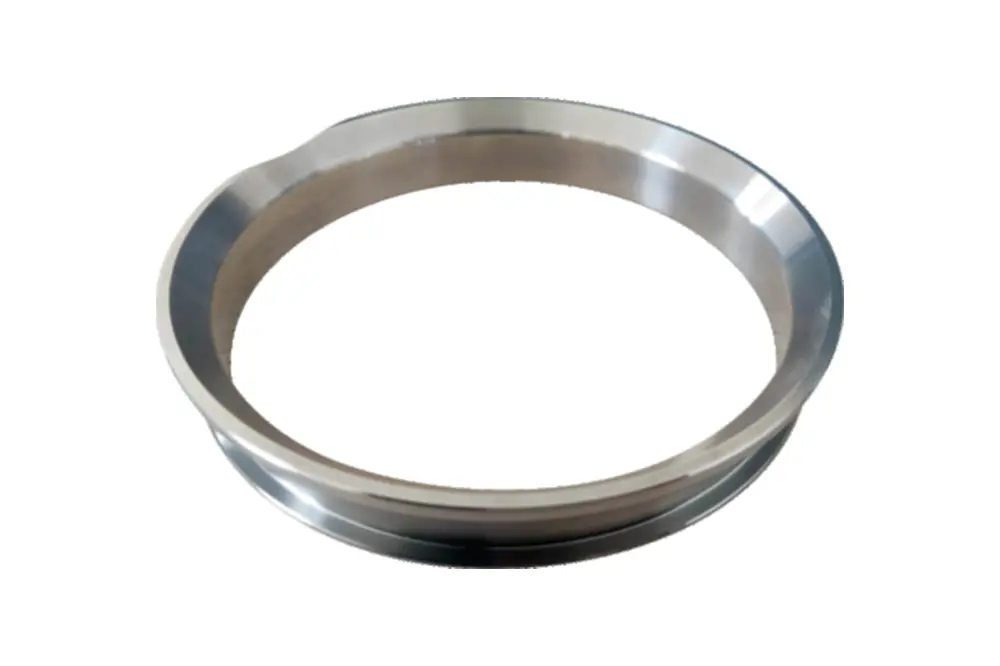
What Is a Floating Ring
A floating ring (in combustion or turbine cap assemblies) is a ring-shaped component that mounts around nozzles, tubes, or guides. It floats (i.e. is not rigidly fixed) to allow slight movement. This movement helps accommodate thermal expansion and mechanical misalignment. It also relieves stress during startup, operation, and shutdown.
Materials and Production
Manufacturers produce floating rings using high-temperature alloys (often nickel- or cobalt-based). They resist oxidation, thermal fatigue, and creep under cyclic loads. Production involves precision machining, close tolerances, and surface finishing. Machined surfaces must match mating parts to avoid leakage. Welding or brazing fixes some parts; others remain free-floating.
Role in Combustion Systems
Floating ring helps maintain seal integrity where premix tubes or nozzle guides meet the cap plate. It allows the components to expand without distortion. By doing so, it reduces stress on surrounding hardware. This, in turn, improves longevity and reduces risk of cracking or leakage.
Maintenance & Repair
Inspection must include checking for wear on the ring surface, deformation, or corrosion. If the ring binds or seizes, it may impair expansion and cause damage. Repair often involves re-machining contact surfaces, replacing worn ring elements, or replacing the entire ring. Precision fitting during reassembly ensures correct clearance for floating movement.

Reviews
There are no reviews yet.