
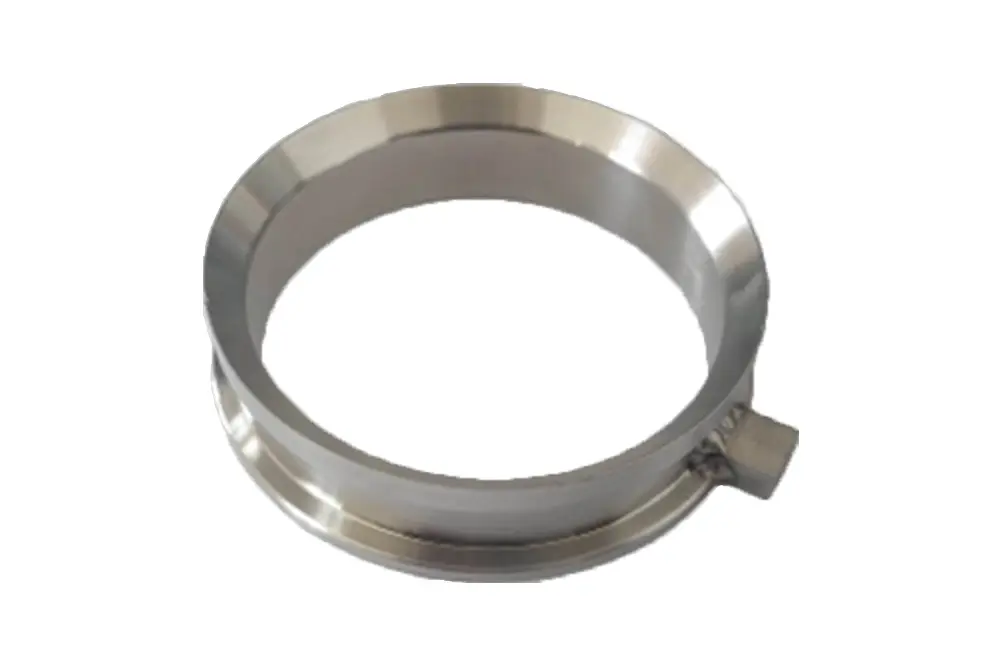
What is a Cap Seal Assembly
A Cap Seal Assembly is a sealing component located between the combustor cap (or dome) and adjacent structures, such as liners or casing. Its role is to prevent hot gases from leaking past joint interfaces and to maintain pressure differentials. Good sealing improves efficiency, reduces unwanted heat transfer, and protects parts from overheating.
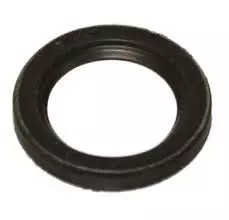
Design Elements and Materials
Many designs use flexible seal elements like spring-loaded rings, finger seals, or labyrinth seal geometries. Some cap assemblies incorporate effusion plates and inlet/outlet ports for cooling air. For materials, engineers often pick high-temperature alloys (nickel- or cobalt-based). Moreover, protective coatings may help resist oxidation and thermal fatigue. Precision machining and tight tolerances at mating surfaces are crucial to avoid leakage.
Operational Behavior and Performance
During operation, the combustor cap region undergoes large temperature swings. The Cap Seal Assembly must accommodate thermal expansion while maintaining contact with mating surfaces. If gaps appear, hot gas leakage increases, which lowers combustor efficiency and may cause damage downstream. Therefore, reliable sealing helps ensure stable combustion and reduced emissions.
Challenges and Maintenance
Seals face wear from vibration, erosion by hot gas particles, and distortion from thermal cycling. Regular inspection is essential. Engineers look for surface damage, deformation, or loss of contact between seal components. Maintenance may involve replacing flexible parts like finger seals or spring seals. Designs often allow modular replacement to avoid full component teardown.
Reviews
There are no reviews yet.