

Overview
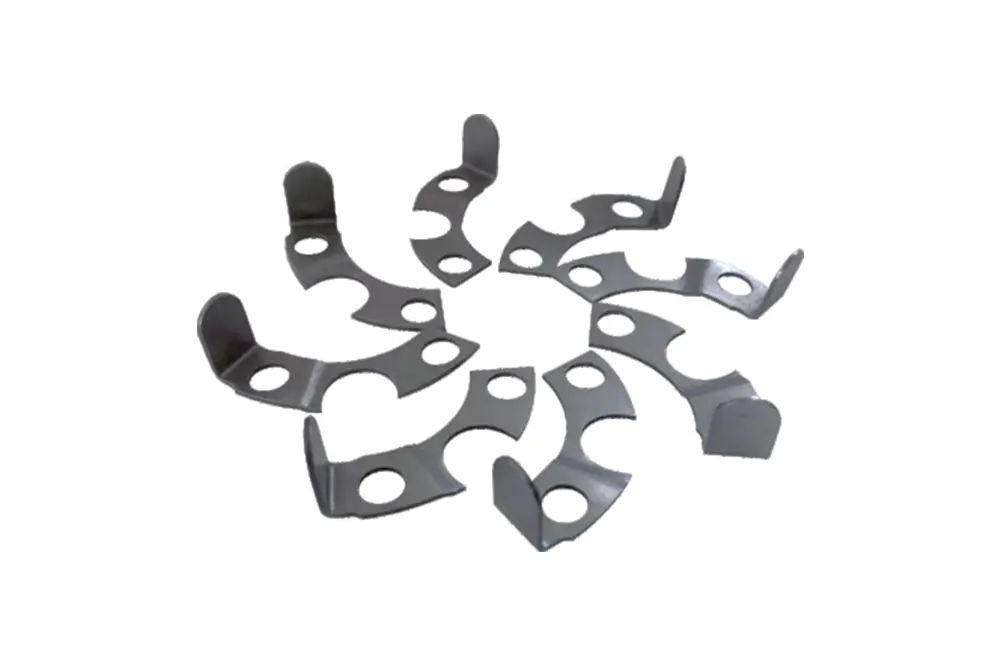
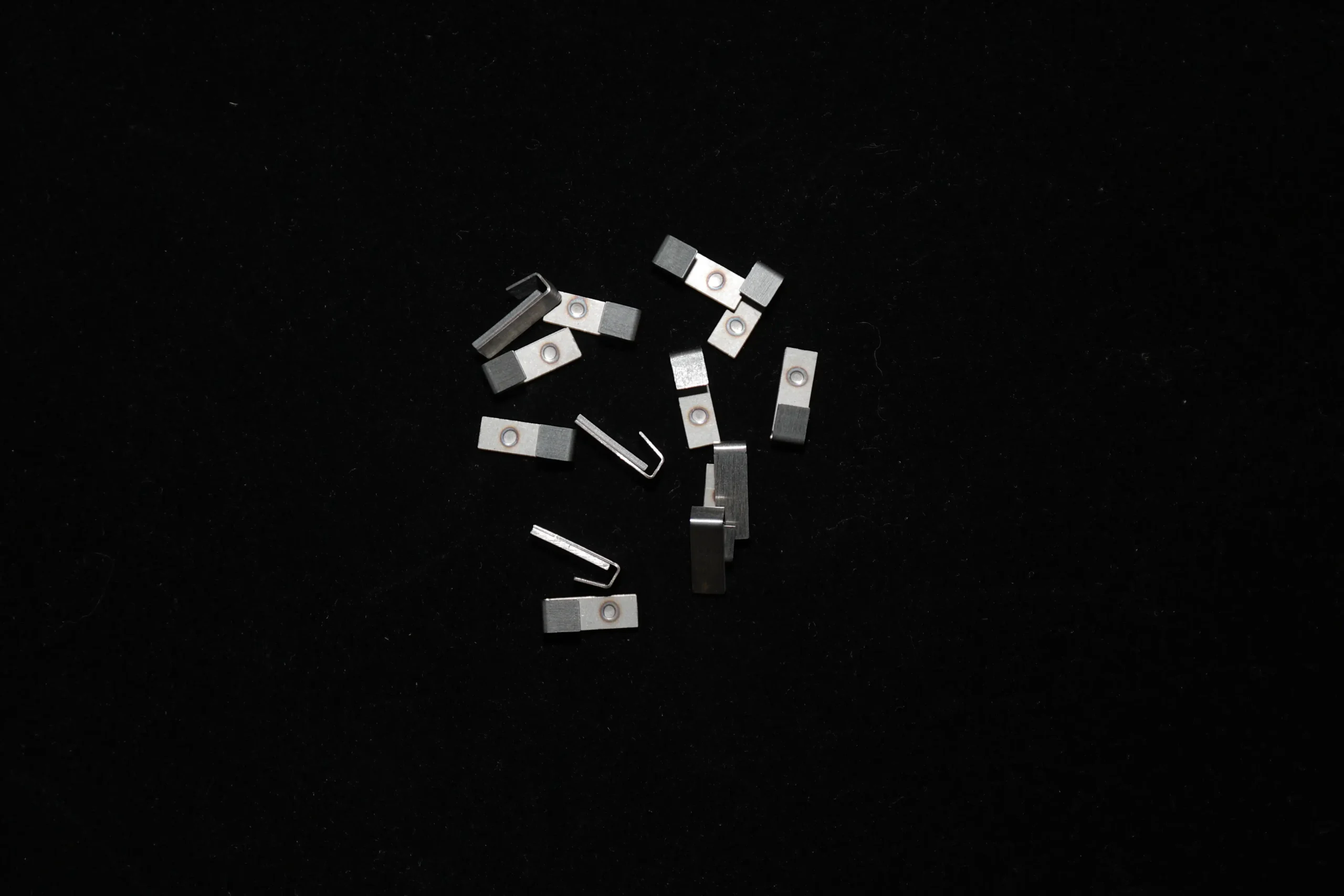
A lock plate is a small but vital component in turbine assemblies. It works as a mechanical locking device, keeping bolts, nuts, or other fasteners firmly in place during operation. By preventing loosening under vibration and high thermal stress, lock plates help maintain the integrity of the entire turbine system.

Materials and Manufacturing
Lock plates are typically made from high-strength stainless steels or nickel-based alloys. These materials withstand high temperatures, mechanical loads, and corrosion. The production process involves precision stamping, machining, and heat treatment to achieve both strength and dimensional accuracy.
Applications
Lock plates are widely applied in combustion chambers, turbine casings, and nozzle guide vanes. They provide extra security in locations where vibration, thermal cycling, and aerodynamic forces can cause conventional fasteners to fail.
Advantages
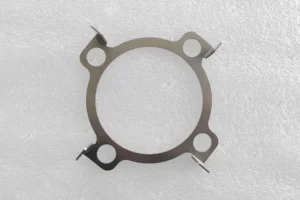
Compared with standard fastening methods, lock plates offer higher reliability, simple installation, and longer service intervals. Their robust design minimizes the risk of component loosening, which reduces maintenance costs and improves operational safety.
Reviews
There are no reviews yet.