
Overview
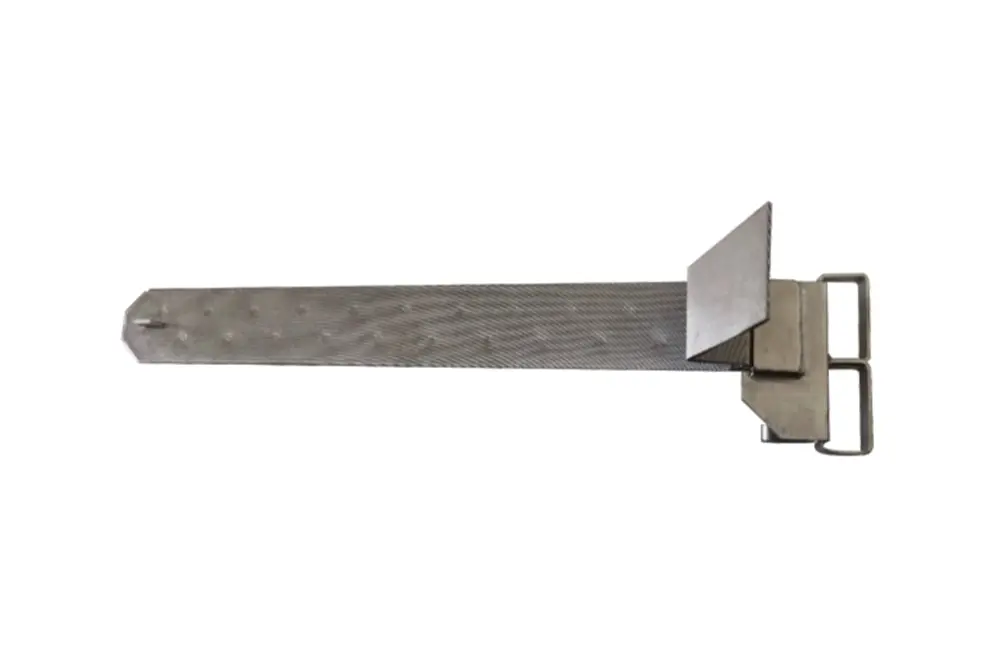
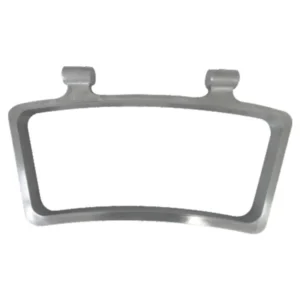
Mesh floating seals are precision components used in turbomachinery, pumps, and compressors to control leakage and improve efficiency. By combining a floating metallic ring with a mesh structure, they create a thin fluid film that minimizes flow loss while reducing friction and wear.
Materials and Manufacturing
Manufacturers typically use stainless steel, heat-resistant alloys, or treated cast iron to build the floating ring. The mesh section often undergoes fine machining and polishing to maintain accurate clearances. Elastomer rings, such as NBR or HNBR, are sometimes included to absorb misalignment and improve sealing. These parts require strict dimensional tolerances, ensuring consistent performance under demanding operating conditions.
Performance and Applications
The mesh design allows the seal to adjust slightly with rotor movement, thermal expansion, or pressure changes. This flexibility prevents rigid contact and lowers the risk of surface damage. As a result, mesh floating seals extend service life and improve reliability in high-speed equipment. They are widely applied in gas turbines, industrial compressors, marine engines, and heavy-duty pumps where efficiency and durability are critical.
Maintenance and Service
Regular inspection helps maintain sealing efficiency. Operators should check clearances, surface finish, and mesh integrity during scheduled overhauls. Worn or damaged parts must be replaced promptly to avoid performance losses. Proper maintenance reduces leakage, extends operating intervals, and lowers total life-cycle costs.
Reviews
There are no reviews yet.